
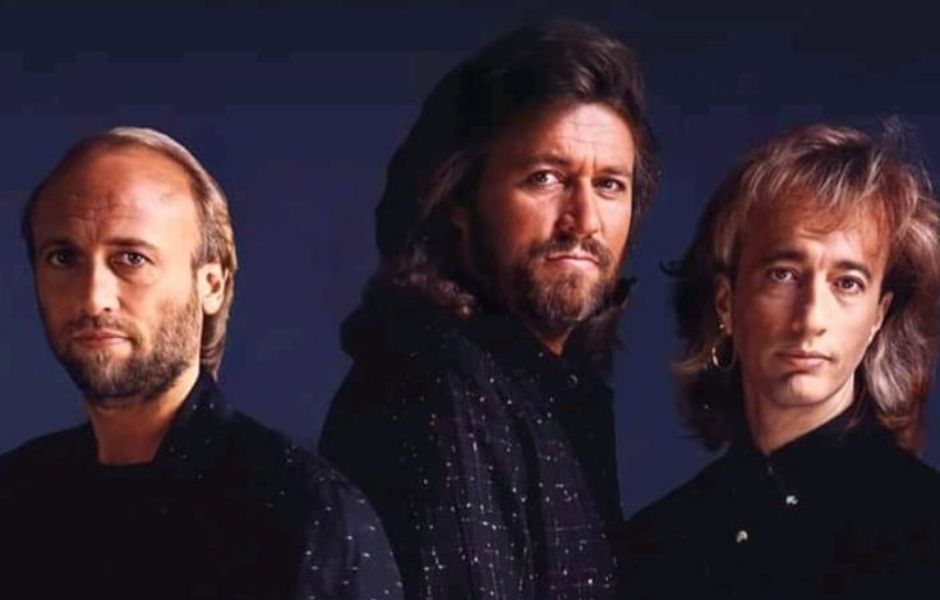
The Bee Gees are often remembered for dominating the disco era, and rightly so. With anthems like “Stayin’ Alive,” their music became inseparable from the pulse of the late 1970s. That song alone captured the urgency, confidence, and rhythm of its time, becoming a cultural landmark rather than just a chart success. Yet to define the Bee Gees solely by disco is to overlook the full scope of their influence—an influence that reached far beyond dance floors and mirror balls.
At the heart of the Bee Gees’ impact was their extraordinary command of harmony and melody. Long before disco reshaped popular music, the group had already established themselves as master craftsmen of song. Their harmonies were not ornamental; they were structural, emotional, and instantly recognizable. These layered vocals helped define the sound of an era not because they followed trends, but because they set a standard for emotional clarity and musical precision.
Central to this legacy is Barry Gibb, whose role extended far beyond performing. As a songwriter and producer, Barry demonstrated a rare ability to craft enduring hits for a wide range of artists across genres. His work moved effortlessly between pop, rhythm-driven music, and adult contemporary, always shaped by the same melodic instinct and emotional intelligence. This versatility allowed his songs to live comfortably in different musical worlds while remaining unmistakably his.
Barry Gibb’s songwriting catalog stands among the richest in modern music. It is marked not by excess, but by consistency—songs built on strong melodic foundations, relatable themes, and a deep understanding of how music connects with listeners. Whether writing for the Bee Gees or for other performers, his compositions often felt timeless from the moment they were released, a quality few writers ever achieve.
What truly sets Barry Gibb apart, however, is his longevity, rooted firmly in adaptability without compromise. Over the decades, he navigated shifts from early pop to disco and later to adult contemporary with remarkable ease. Importantly, these transitions never felt forced. Rather than abandoning his artistic identity, Barry allowed it to evolve naturally, responding to changing musical landscapes while preserving the integrity of his voice and vision.
This balance—between change and continuity—is why the Bee Gees remained relevant long after many of their contemporaries faded. Their music matured as audiences matured, offering reflection as well as energy, subtlety alongside celebration. Few musicians have sustained such relevance across so many decades without losing authenticity or respect.
Today, the Bee Gees’ legacy endures not just through nostalgia, but through influence. Their harmonies continue to inspire vocal groups. Their melodies still shape songwriting standards. And Barry Gibb’s body of work remains a testament to what is possible when adaptability is guided by craft rather than trend.
In the end, the Bee Gees did more than dominate an era—they helped define how popular music could grow, change, and endure.