
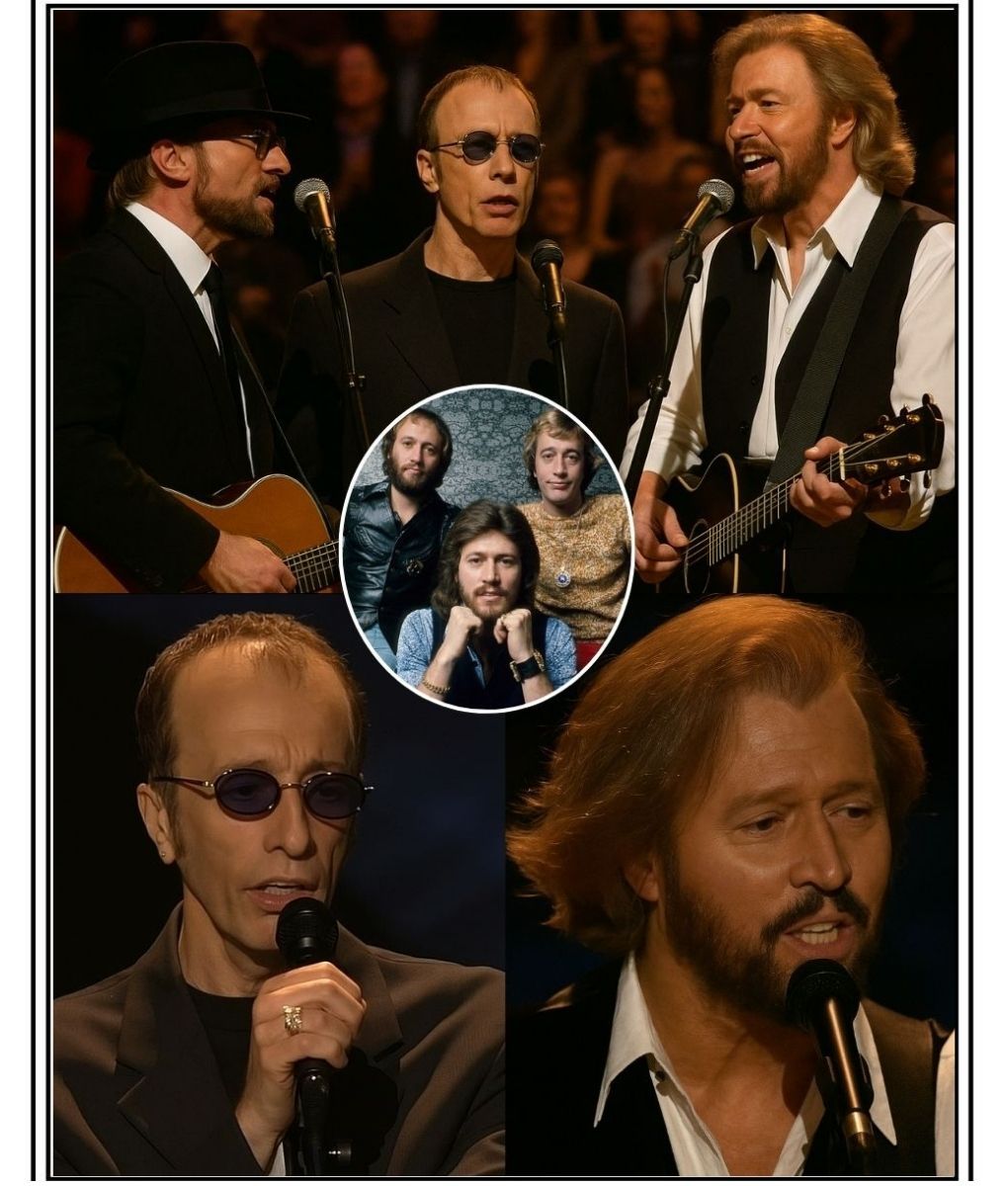
LONG BEFORE MIRROR BALLS AND DANCE FLOORS DEFINED A GENERATION — THE BEE GEES’ “RUN TO ME” REMAINS A MASTERPIECE OF PURE EMOTION
Long before the bright lights of disco and the rhythm of crowded dance floors came to define an era, The Bee Gees were already creating songs that spoke directly to the heart. Among these early treasures, “Run to Me” stands as one of the most moving examples of the group’s ability to blend melody, harmony, and emotional sincerity into something truly timeless.
Released in 1972, “Run to Me” arrived during a period when Barry Gibb, Robin Gibb, and Maurice Gibb were refining the deeply emotional songwriting style that had already brought them international recognition. While the world would later associate The Bee Gees with the energetic sound of the disco era, songs like this revealed another side of their artistry—one rooted in vulnerability, compassion, and heartfelt storytelling.
From the very first notes, “Run to Me” carries a quiet emotional intensity. The melody unfolds gently, allowing the voices of the Gibb brothers to take center stage. Their harmonies, delicate yet powerful, create a sense of intimacy that draws listeners into the song’s message of comfort and reassurance.
At the heart of the song lies a simple yet profound promise: no matter the struggles or loneliness someone may face, there is always a place where they can return for understanding and support. This universal theme helped the song resonate with audiences across cultures and generations.
The vocal arrangement is one of the elements that makes “Run to Me” so memorable. Barry Gibb’s expressive voice guides the melody with warmth and sincerity, while Robin Gibb’s distinctive vibrato adds emotional depth to the harmony. Maurice Gibb, whose musical contributions often anchored the group’s arrangements, helps complete the balance that defines the Bee Gees’ signature sound.
During the early 1970s, this style of songwriting represented the core identity of The Bee Gees. Their music frequently explored themes of reflection, longing, and emotional connection. Songs such as “How Can You Mend a Broken Heart,” “Words,” and “To Love Somebody” carried similar emotional weight, establishing the brothers as masters of melodic storytelling.
Although the band would later achieve massive global success during the Saturday Night Fever era—with iconic songs like “Stayin’ Alive,” “Night Fever,” and “You Should Be Dancing”—the emotional depth found in earlier recordings like “Run to Me” remains an essential part of their legacy.
For many longtime fans, these earlier ballads reveal the true heart of the group. Before the dance rhythms and falsetto-driven anthems captured worldwide attention, the Gibb brothers had already proven their extraordinary ability to create music that spoke directly to human emotions.
Even today, decades after its release, “Run to Me” continues to resonate with listeners who appreciate its gentle sincerity. In a world often filled with fast-moving trends and changing musical styles, the song stands as a reminder that simple melodies and honest emotions never lose their power.
When audiences revisit the music of The Bee Gees, they often rediscover these quieter masterpieces that existed long before the glittering disco lights. Songs like “Run to Me” remind listeners that behind the global fame and chart-topping success were three brothers whose greatest gift was their ability to express emotion through harmony.
And perhaps that is why “Run to Me” still feels so meaningful today. It represents a moment in time when the voices of Barry, Robin, and Maurice Gibb came together not to fill dance floors, but to offer something far more enduring: a message of comfort carried through one of the most beautiful harmonies ever recorded.