
“You Should Be Dancing” — The Bee Gees’ Electrifying Call to the Dance Floor
Among the unforgettable recordings by the Bee Gees, the explosive disco anthem You Should Be Dancing remains one of the most energetic and influential songs of the 1970s. Written by the Gibb brothers—Barry Gibb, Robin Gibb, and Maurice Gibb—the track became a defining moment in the evolution of dance music and helped propel the Bee Gees toward the global phenomenon they would soon become.
Released in 1976 as part of the album Children of the World, the song represented a bold shift in the Bee Gees’ musical direction. Earlier in their career, the group had built their reputation through emotional ballads and melodic pop songs. But during the mid-1970s, they began exploring rhythm-driven sounds that blended soul, funk, and emerging disco influences. “You Should Be Dancing” became one of the earliest and most powerful examples of that transformation.
The song opens with an irresistible groove. A driving bass line, combined with rhythmic guitar and layered percussion, creates a pulse that immediately commands attention. The beat feels alive with movement, setting the stage for a track designed to ignite dance floors.
Soon after the rhythm begins, Barry Gibb’s unmistakable falsetto voice enters with electrifying energy. His high, expressive vocal style became one of the defining sounds of the Bee Gees’ disco era. In this song, his delivery feels playful yet confident, encouraging listeners to surrender to the rhythm.
Behind the lead vocal, the harmonies of Robin and Maurice Gibb add depth and richness to the arrangement. Their voices blend seamlessly, producing the layered harmony that had long been the Bee Gees’ musical signature. Even within a high-energy dance track, the group maintained their remarkable precision in vocal arrangement.
Musically, the song is packed with vibrant textures. Percussion instruments such as congas and shakers add rhythmic complexity, while guitar accents and horn-like arrangements give the song its sparkling energy. Each element works together to build a sound that feels both powerful and joyful.
Lyrically, the song celebrates the excitement of movement and music. Rather than telling a detailed story, it captures a feeling—the moment when rhythm takes over and the dance floor becomes the center of attention. The message is simple but irresistible: when the music begins, standing still is almost impossible.
When the single was released, it quickly climbed to the top of the Billboard Hot 100, marking one of the Bee Gees’ earliest major successes in the emerging disco movement. The song’s popularity helped establish them as leading voices of the genre.
Its cultural impact grew even stronger when it later appeared in the influential film Saturday Night Fever. The Bee Gees’ music became inseparable from the film’s depiction of nightlife and dance culture, and “You Should Be Dancing” played an important role in shaping the sound of that era.
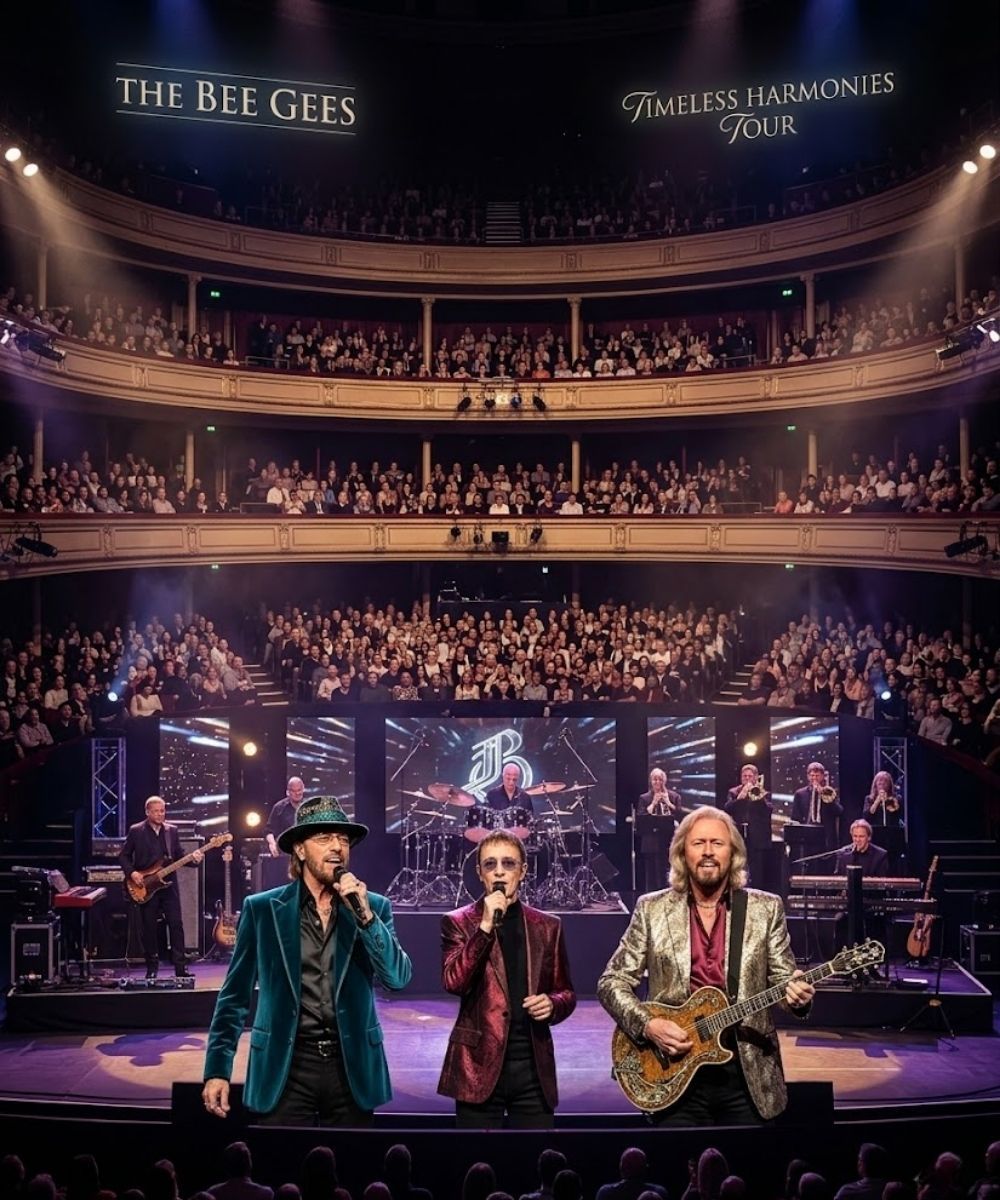
Live performances of the song often turned Bee Gees concerts into vibrant celebrations. The rhythm encouraged audiences to move with the music, transforming entire arenas into shared dance spaces filled with energy and excitement.
Decades later, “You Should Be Dancing” remains one of the most recognizable dance songs ever recorded. Its powerful groove and soaring vocals continue to appear in films, television shows, and retrospectives celebrating the golden age of disco.
More than just a dance track, the song represents a moment when the Bee Gees reinvented their musical identity and helped shape the rhythm of an entire generation.
And every time the famous groove begins again, the message still feels irresistible:
when the music is alive and the rhythm takes hold, the world becomes a dance floor.