
“Jive Talkin’” — The Bee Gees Hit That Sparked a New Musical Era
Among the many influential songs created by the Bee Gees, the rhythmic classic Jive Talkin’ stands as one of the most important turning points in their musical journey. Written by the Gibb brothers—Barry Gibb, Robin Gibb, and Maurice Gibb—the song introduced a fresh sound that would eventually reshape the direction of popular music in the mid-1970s.
Released in 1975 as the lead single from the album Main Course, “Jive Talkin’” marked the moment when the Bee Gees began moving away from the orchestral pop style that had defined their earlier work. Instead, they embraced a groove-driven sound influenced by rhythm-and-blues, funk, and emerging dance music.
The inspiration for the song’s rhythm reportedly came from an everyday experience. While traveling across the Julia Tuttle Causeway in Miami, the Gibb brothers noticed that the rhythmic vibration of their car wheels created a steady beat against the road surface. That repeating pulse later inspired the groove that would become the foundation of “Jive Talkin’.”
From the very beginning of the track, that rhythm is unmistakable. A strong bass line and crisp percussion create a steady, infectious beat that instantly captures attention. The groove is confident and controlled, carrying the energy of dance music while still allowing space for the Bee Gees’ signature vocal harmonies.
Barry Gibb’s voice leads the song with expressive clarity, introducing a vocal style that would soon evolve into the falsetto sound that defined many of the group’s later recordings. His delivery feels relaxed yet sharp, perfectly matching the rhythmic precision of the music.
Robin and Maurice add harmony lines that enrich the arrangement without overwhelming the groove. Their voices blend naturally with Barry’s, producing the layered vocal sound that had already become a hallmark of the Bee Gees’ music.
Lyrically, the song explores the idea of deception in communication. The phrase “jive talkin’” refers to someone who speaks dishonestly or avoids the truth. The narrator reflects on recognizing misleading words and deciding not to be fooled any longer. The theme gives the song a playful edge while still maintaining emotional depth.
When the single was released, it quickly rose to the top of the Billboard Hot 100, becoming the Bee Gees’ second number-one hit in the United States. Its success confirmed that the group’s new musical direction resonated strongly with audiences.
More importantly, “Jive Talkin’” opened the door to the Bee Gees’ later dominance of the disco era. The rhythmic style introduced in this song would soon evolve into the sound heard in later hits such as “Stayin’ Alive” and “Night Fever.”
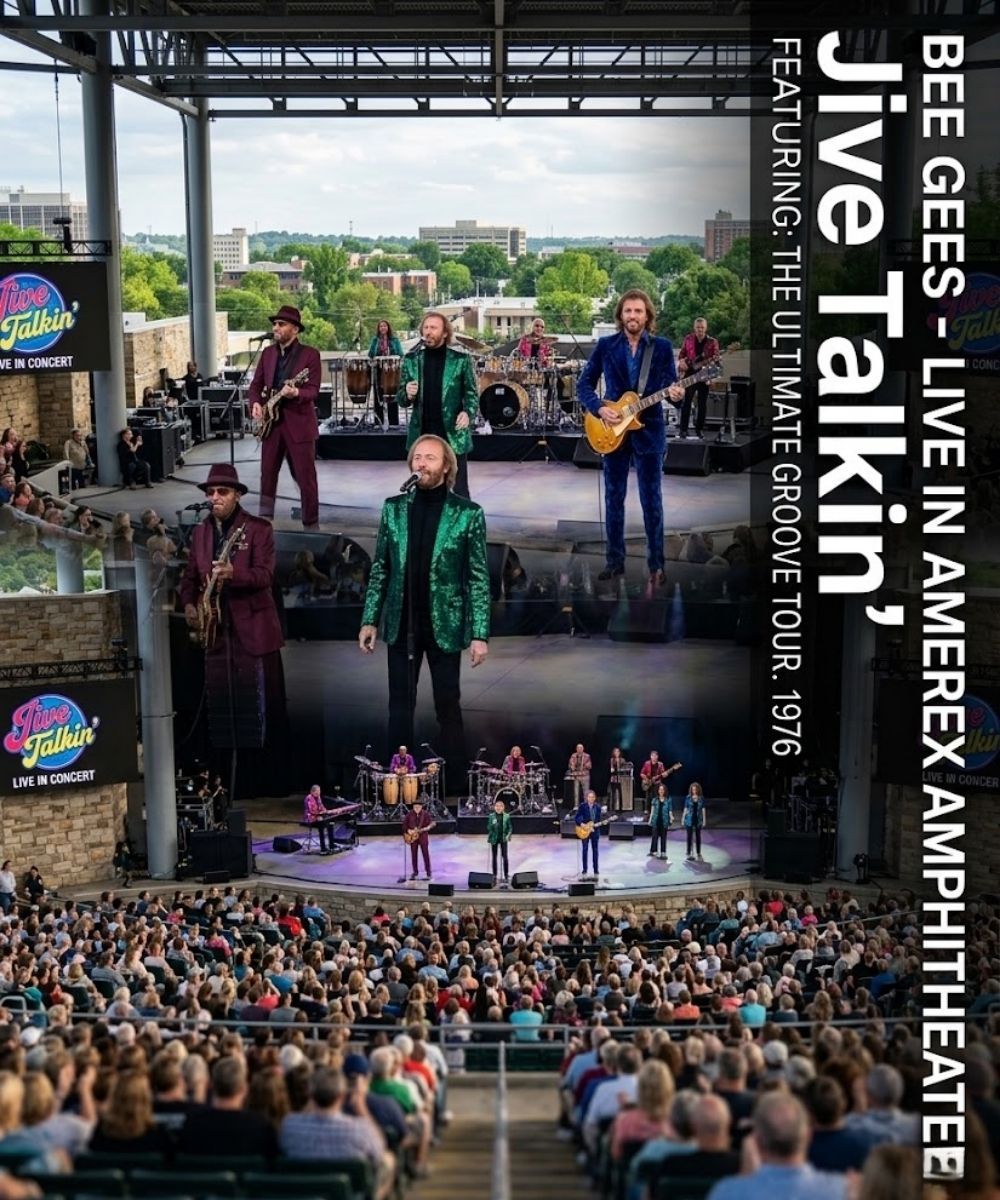
Live performances of the song often became energetic highlights of Bee Gees concerts. The powerful groove encouraged audiences to move with the rhythm, turning performances into vibrant celebrations of music and dance.
Decades later, “Jive Talkin’” continues to stand as one of the most influential recordings in the Bee Gees’ catalog. It represents the moment when the group boldly reinvented their sound and stepped into a new chapter of musical innovation.
And each time the unmistakable groove begins again, the song reminds listeners that a single rhythmic idea can sometimes change the course of music history.