
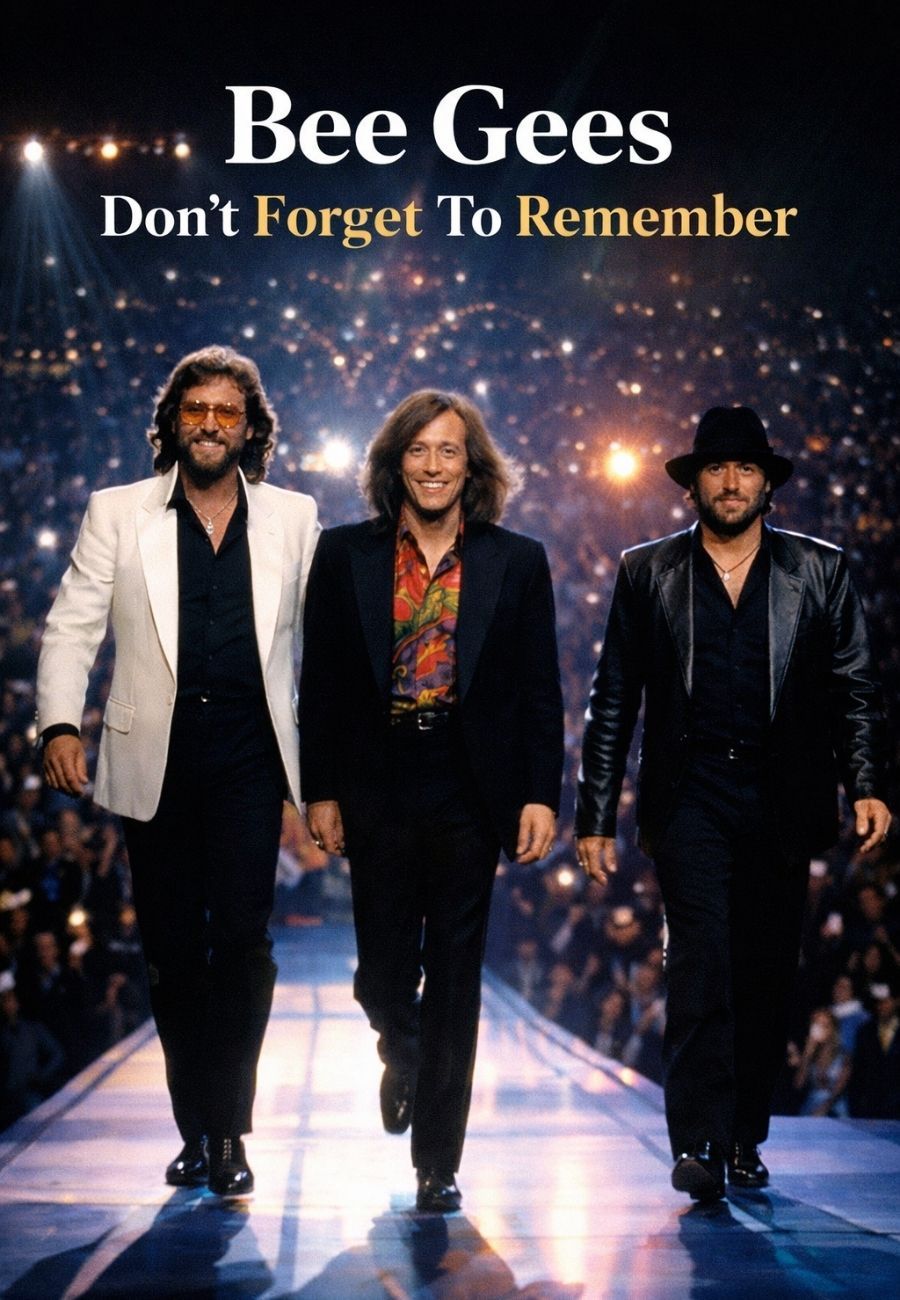
“Don’t Forget to Remember” — The Gentle Bee Gees Ballad That Became a Timeless Memory
Among the early emotional ballads created by the Bee Gees, the song Don’t Forget to Remember stands as one of the most heartfelt recordings in their catalog. Written by Barry Gibb and Maurice Gibb, the song reveals the group’s remarkable talent for creating melodies that speak quietly yet deeply to listeners.
Released in 1969, the song appeared on the album Cucumber Castle, a period when the Bee Gees were continuing to refine the musical style that had already brought them international recognition. At that time, their songwriting had begun to move toward more reflective themes, emphasizing emotion and storytelling.
The recording begins with a soft acoustic arrangement that immediately creates a calm and nostalgic atmosphere. Gentle guitar notes introduce the melody before Barry Gibb’s warm and expressive voice begins the opening verse. His delivery is simple and sincere, allowing the emotion of the lyrics to unfold naturally.
The song’s lyrics explore the bittersweet feeling of remembering someone after a relationship has ended. Instead of dramatic expressions of heartbreak, the words convey a quiet sense of longing and reflection. The singer asks only one thing—that the other person not forget the memories that once meant so much.
As the melody reaches the chorus, the harmony expands beautifully. Subtle vocal layers add depth while maintaining the intimate tone of the performance. This delicate balance between lead vocal and harmony became one of the defining characteristics of Bee Gees music.
When the single was released, it quickly became a major success in several countries. In the United Kingdom, the song reached the top position on the UK Singles Chart, confirming the Bee Gees’ growing reputation as exceptional songwriters and performers.
For many listeners, “Don’t Forget to Remember” represents the softer side of the Bee Gees’ musical identity. While the group would later become famous for energetic disco hits and powerful stage performances, this song reminds audiences that their roots were built on gentle melodies and deeply emotional storytelling.
The simplicity of the arrangement allows the song’s emotional message to remain at the center of the recording. There are no dramatic effects or complex production techniques—only a melody, a voice, and a feeling that resonates quietly with anyone who has experienced love and loss.
Over the decades, the song has remained one of the Bee Gees’ most cherished early recordings. It continues to appear in collections of classic ballads and is often rediscovered by new listeners who appreciate its timeless sincerity.
Even today, when the first soft notes begin, the song carries a sense of nostalgia that instantly transports listeners to another time.
And in its quiet message, the song leaves a lasting reminder:
some memories fade with time, but the emotions connected to them remain forever in the heart.