
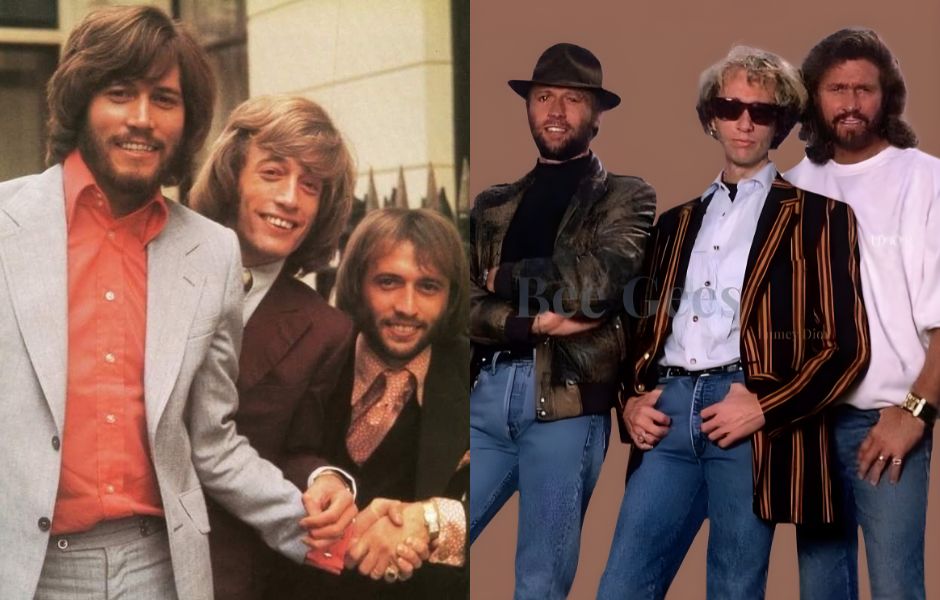
FROM OBSCURITY TO IMMORTALITY — The Bee Gees’ Unbelievable Transformation
It began quietly — three brothers, a handful of songs, and a dream that seemed too fragile to survive the noise of 1960s London. Barry, Robin, and Maurice Gibb were barely out of their teens when they started singing in smoky clubs and cramped studios, their voices intertwining in the kind of harmonies that felt almost otherworldly. They were talented, yes — but talent alone rarely guarantees survival in a city that swallows musicians whole. For years, they hovered on the edge of recognition, writing songs filled with longing and heartbreak, whispering their way through the British pop scene while chasing something bigger than fame — a sound that would make people feel.
And then, as if by fate, they found it.
Their early records — songs like “New York Mining Disaster 1941,” “To Love Somebody,” and “Massachusetts” — revealed a gift for melody and storytelling that set them apart from their peers. They weren’t just writing hits; they were crafting emotional landscapes. But even with chart success, the Bee Gees faced turbulence — creative differences, shifting trends, and the uncertain road that often threatens to break young bands apart. For a moment, it seemed the Gibb brothers might fade into memory, another promising act lost to time.
But destiny had other plans.
When the 1970s arrived, something changed — not only in music, but in the world itself. Rock was evolving, soul was rising, and the heartbeat of disco was beginning to pulse beneath it all. And in that moment of cultural transformation, Barry Gibb discovered a new voice — a soaring falsetto that would change everything. It wasn’t just a stylistic choice; it was a rebirth. That single sound ignited a fire that would soon set the global stage ablaze.
With albums like “Main Course,” “Children of the World,” and the era-defining “Saturday Night Fever,” the Bee Gees became the architects of a movement. Their songs — “Stayin’ Alive,” “Night Fever,” “How Deep Is Your Love,” and “More Than a Woman” — weren’t just hits; they were cultural phenomena. Every dance floor from New York to Tokyo moved to their rhythm. Every radio station carried their sound like an anthem of light and motion. The brothers who once sang softly of heartbreak were now commanding empires of sound and energy, creating music that defined an entire generation.
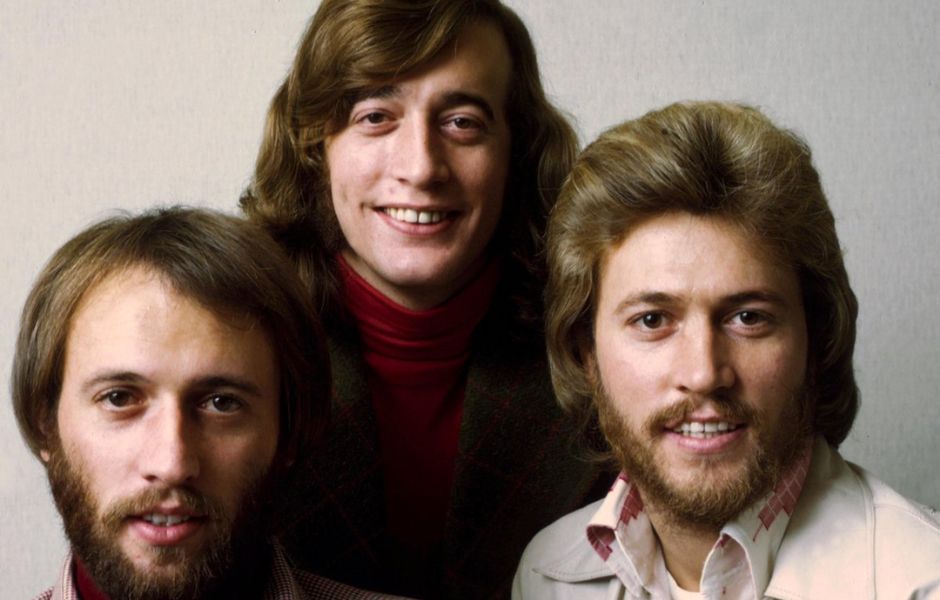
The rise was meteoric. The impact, unstoppable. But through it all, the Bee Gees never lost the essence that made them who they were — the bond of brotherhood, the shared belief that music was more than fame or fortune. It was connection. It was memory. It was life itself.
By the time the disco lights dimmed and the critics moved on, the Bee Gees had already transcended the moment. Their melodies remained — timeless, enduring, untouchable. They had gone from obscurity to immortality, not because of a trend, but because they captured something eternal: the heartbeat of human emotion.
Even now, decades later, Barry Gibb stands as the living embodiment of that legacy. When he sings, you can still hear Robin and Maurice in the harmonies that echo behind him — invisible, but never gone. Together, they built something far greater than fame: a legacy that redefined what it means to be legends.
The story of the Bee Gees isn’t just a tale of success; it’s a testament to resilience, reinvention, and the power of faith in one’s gift. From quiet beginnings in the shadows to lighting up the world’s greatest stages, they proved that true greatness doesn’t just shine — it endures.
Because in the end, legends don’t fade. They fly.