
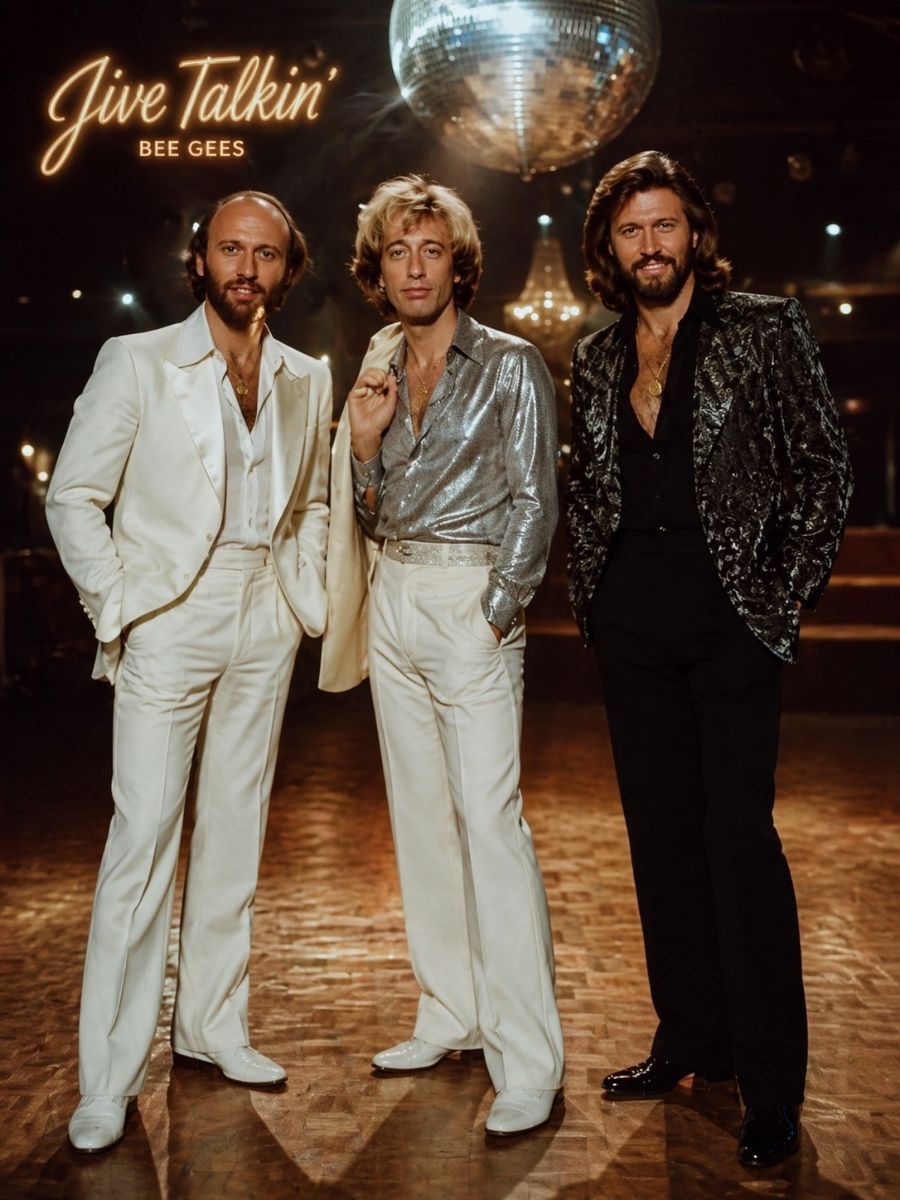
“Jive Talkin’” — The Bee Gees Song That Marked a Bold New Beginning
Among the most influential recordings in the history of the Bee Gees, the rhythmic hit Jive Talkin’ stands as a turning point that reshaped the direction of the group’s music. Written by Barry Gibb, Robin Gibb, and Maurice Gibb, the song marked the moment when the Bee Gees stepped confidently into a new musical era.
Released in 1975 as the lead single from the album Main Course, the track represented a dramatic shift in the Bee Gees’ sound. Earlier in their career, the group had been known for orchestral pop ballads filled with lush arrangements and emotional storytelling. With “Jive Talkin’,” however, they embraced a groove-driven style influenced by rhythm-and-blues and funk.
The story behind the song’s rhythm is as interesting as the music itself. While driving across the Julia Tuttle Causeway in Miami, the Gibb brothers noticed that the repetitive sound created by their car tires moving over the bridge joints produced a steady beat. That rhythmic pattern later inspired the groove that became the foundation of the song.
From the opening seconds, the track establishes a powerful rhythmic identity. A tight bass line, crisp percussion, and rhythmic guitar work together to create a groove that feels both relaxed and energetic. The music moves forward with a steady pulse that immediately captures attention.
Barry Gibb’s lead vocal introduces the melody with expressive confidence. His voice carries a slightly sharper edge compared with some of the Bee Gees’ earlier recordings, reflecting the new musical direction the group was exploring.
Robin and Maurice add harmony lines that enhance the arrangement without overpowering the rhythm. Their voices blend naturally with Barry’s, maintaining the signature vocal harmony that had always defined the Bee Gees’ sound.
Lyrically, the song explores the theme of deceptive communication. The phrase “jive talkin’” refers to speech that is misleading or insincere. The narrator describes recognizing that someone’s words cannot be trusted and deciding not to be influenced by them any longer.
The message is delivered with a sense of playful confidence rather than bitterness. This tone allows the song to maintain its rhythmic energy while still conveying an emotional idea.
When the single was released, it quickly climbed to the number one position on the Billboard Hot 100, becoming one of the Bee Gees’ most successful recordings of the decade.
More importantly, the song marked the beginning of a creative transformation that would soon lead to some of the most famous recordings of the disco era. The rhythmic style introduced in “Jive Talkin’” would later evolve into the sound heard in iconic songs such as “Stayin’ Alive” and “Night Fever.”
Over time, the song has become recognized as one of the key moments in the Bee Gees’ musical evolution. It represents the point when the group embraced a new direction and discovered a sound that would influence popular music around the world.
Even today, when the unmistakable groove begins, the song carries the same sense of creative excitement it had in 1975.
And within its rhythmic pulse lies a lasting reminder:
sometimes a single new idea can open the door to an entirely different chapter of musical history.