
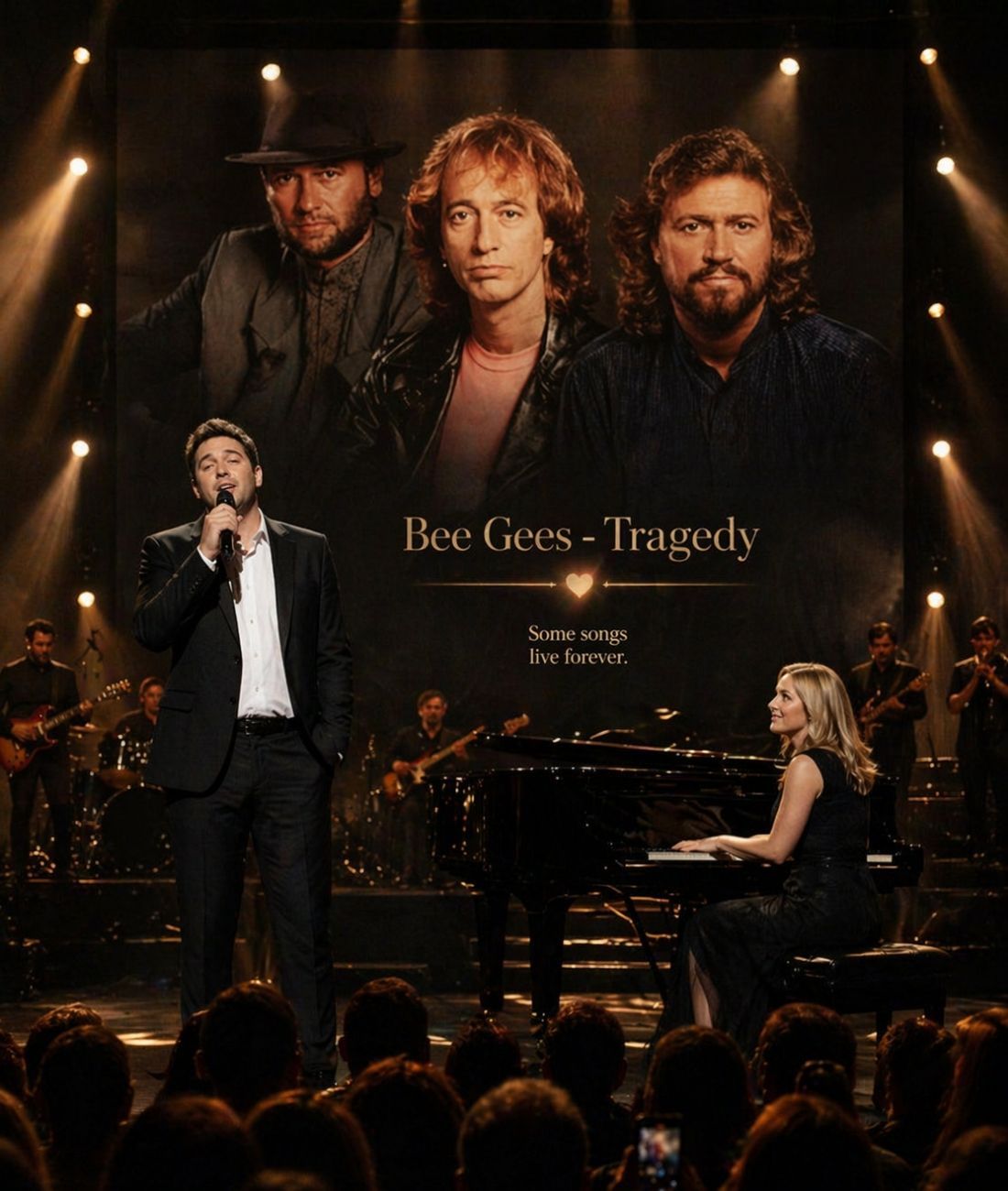
“Tragedy” — The Bee Gees’ Explosive Anthem of Emotion and Power
Among the most dramatic recordings in the catalog of the Bee Gees, the unforgettable song Tragedy stands as one of the group’s most powerful musical achievements. Written by the Gibb brothers—Barry Gibb, Robin Gibb, and Maurice Gibb—the song transformed heartbreak into an intense and electrifying musical experience.
Released in 1979 as part of the album Spirits Having Flown, the song arrived during one of the most successful periods of the Bee Gees’ career. Following the massive global success of the Saturday Night Fever soundtrack, the group had become one of the most influential forces in popular music.
“Tragedy” immediately announces itself with a dramatic introduction. A sudden burst of sound leads into a powerful rhythm driven by bass, drums, and layered instrumentation. The musical arrangement is bold and dynamic, building tension from the very first seconds.
Barry Gibb’s soaring falsetto voice takes the lead, delivering the melody with remarkable intensity. His vocal performance captures the emotional urgency suggested by the title of the song. The chorus, repeating the word “tragedy,” becomes one of the most memorable hooks in disco-era music.
Behind the lead vocal, Robin and Maurice contribute harmonies that enrich the sound without diminishing its dramatic power. Their voices blend seamlessly, creating the signature Bee Gees vocal texture that had already become instantly recognizable worldwide.
One of the most fascinating aspects of the recording lies in its creative production techniques. The explosive sound effects heard in the chorus were reportedly created using improvised studio methods rather than traditional instruments. These dramatic bursts added an unexpected dimension to the track and helped give the song its distinctive sonic identity.
Lyrically, the song reflects the overwhelming emotional shock that can follow the sudden loss of love. The narrator experiences confusion and heartbreak, expressing the feeling that something meaningful has vanished without warning. The music mirrors this emotional turmoil, combining powerful rhythm with soaring vocals.
When the single was released, it quickly climbed to the top of the Billboard Hot 100, continuing the Bee Gees’ extraordinary run of chart-topping hits during the late 1970s.
Live performances of “Tragedy” often became highlights of Bee Gees concerts. The dramatic rhythm and explosive chorus created an atmosphere of excitement that audiences responded to instantly. The song’s powerful energy translated perfectly to the stage.
Over time, “Tragedy” has remained one of the most recognizable songs associated with the Bee Gees’ disco era. Its combination of emotional storytelling and rhythmic intensity continues to captivate listeners decades after its release.
More than just a hit single, the song represents a moment when the Bee Gees demonstrated their remarkable ability to transform deep emotional themes into unforgettable music.
And each time the chorus echoes again, the song reminds listeners of a timeless truth:
even the deepest heartbreak can be transformed into something powerful when expressed through music.