
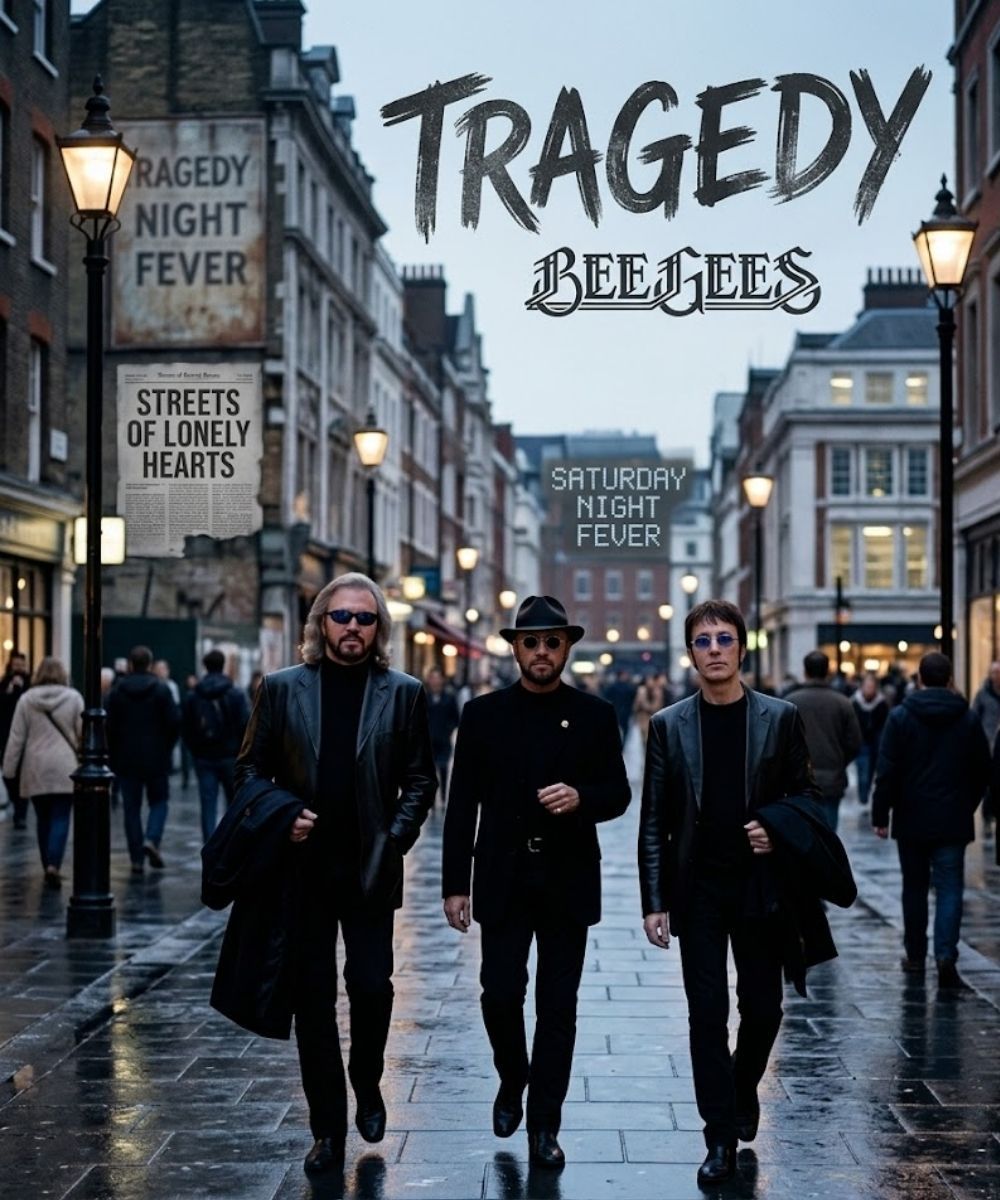
“Tragedy” — The Explosive Bee Gees Hit That Turned Heartbreak into Pure Musical Power
Among the most dramatic songs ever recorded by the Bee Gees, the electrifying track Tragedy stands as one of the group’s most powerful musical statements. Written by Barry Gibb, Robin Gibb, and Maurice Gibb, the song captured the intense emotional energy of the late 1970s while showcasing the Bee Gees’ remarkable ability to blend dramatic storytelling with irresistible rhythm.
Released in 1979 on the album Spirits Having Flown, “Tragedy” arrived during an extraordinary period for the Bee Gees. Their music had already transformed global pop culture through the success of the Saturday Night Fever soundtrack, and audiences everywhere were eager to hear what the trio would create next.
The song begins with an explosive introduction that immediately commands attention. A powerful burst of sound leads into a driving rhythm that feels urgent and dramatic. From that moment onward, the track maintains a high level of intensity, blending pulsating bass lines, layered guitars, and vibrant orchestration into a sound that feels larger than life.
Barry Gibb’s lead vocal performance adds another level of emotional force. His soaring falsetto moves between tension and release, perfectly matching the dramatic theme of the lyrics. The word “tragedy,” repeated in the chorus, becomes a powerful musical hook that audiences instantly remember.
Robin and Maurice Gibb contribute rich harmonies that deepen the sound, creating the distinctive vocal blend that made the Bee Gees instantly recognizable. Even during their most energetic recordings, the group maintained a sense of precision and balance that set their music apart from many other artists of the era.
One of the most fascinating details about the song involves the famous explosive sound effects heard during the chorus. Instead of relying on elaborate studio equipment, the Bee Gees reportedly created these dramatic sounds by experimenting with everyday objects in the recording studio. This inventive approach added a unique sonic element that helped make the song unforgettable.
Lyrically, “Tragedy” explores the emotional chaos that can follow the loss of love. The song captures the feeling of sudden emptiness and confusion when a relationship ends unexpectedly. Rather than presenting these emotions quietly, the Bee Gees transform them into a dramatic musical experience filled with energy and urgency.
The song’s release quickly proved its popularity. “Tragedy” rose to the number one position on the Billboard Hot 100, continuing the Bee Gees’ remarkable run of chart-topping hits during that era.
Live performances of the song became highlights of Bee Gees concerts. The powerful rhythm and soaring vocals translated perfectly to the stage, often turning arenas into vibrant celebrations of music and emotion. Fans responded enthusiastically to the dramatic chorus, singing along with unmistakable enthusiasm.
Decades later, “Tragedy” remains one of the most recognizable songs in the Bee Gees’ catalog. It represents the bold, energetic side of their musical identity while still carrying the emotional depth that defined their songwriting.
Today, when listeners hear the explosive opening and the unforgettable chorus, they are reminded of a time when the Bee Gees dominated the global music scene with creativity, confidence, and extraordinary harmony.
And as the chorus echoes once again, the song proves a timeless truth:
even the deepest heartbreak can be transformed into unforgettable music when powerful voices and brilliant songwriting come together.