
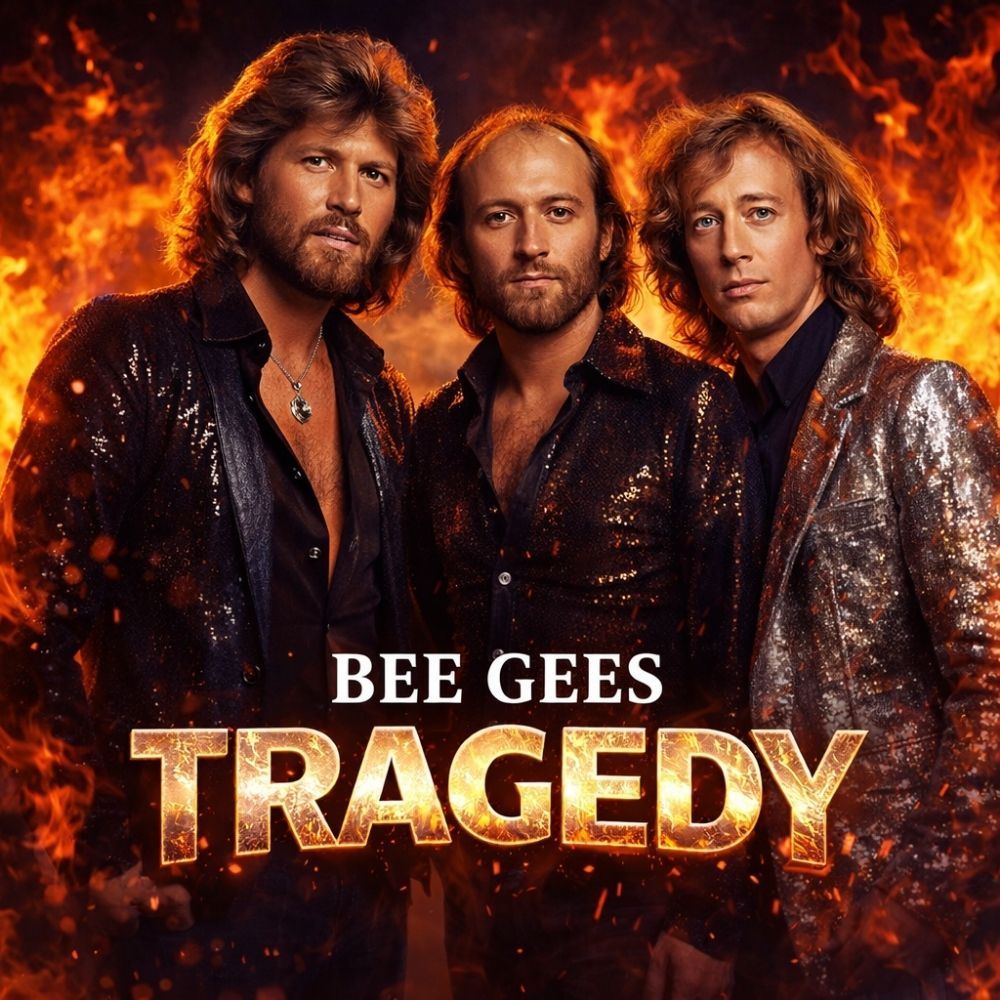
“Tragedy” — The Dramatic Bee Gees Hit That Captured the Intensity of an Era
Among the many unforgettable recordings by the Bee Gees, the song Tragedy stands out as one of the most powerful and dramatic hits of their career. Written by the Gibb brothers—Barry Gibb, Robin Gibb, and Maurice Gibb—the song became a defining moment in the late 1970s, when the group’s influence on global music was at its peak.
Released in 1979 as part of the album Spirits Having Flown, “Tragedy” followed the massive success the Bee Gees had already achieved through their earlier hits connected to the film Saturday Night Fever. By that time, audiences around the world had come to expect something extraordinary whenever the Bee Gees released new music.
The opening of “Tragedy” immediately sets an intense tone. A dramatic burst of sound introduces the song before the driving rhythm begins. From the very first seconds, the energy feels urgent and theatrical, creating an atmosphere that is both exciting and emotionally charged.
Barry Gibb’s powerful falsetto leads the vocal performance, delivering the lyrics with remarkable intensity. His voice rises and falls with the dramatic structure of the song, capturing the emotional turbulence described in the lyrics. Meanwhile, Robin and Maurice add their distinctive harmonies, creating the rich vocal layers that had become the group’s signature sound.
One of the most fascinating aspects of the recording is the way the Bee Gees used creative production techniques to enhance the dramatic effect. The explosive sound heard during the chorus—often described as a burst of energy—was created using everyday objects in the recording studio. The brothers reportedly experimented with improvised sounds, adding an unexpected and memorable sonic element to the song.
Lyrically, “Tragedy” explores the overwhelming emotional impact of losing someone important. The song expresses the feeling of sudden emptiness that can follow the end of a relationship. Instead of presenting the theme quietly, the Bee Gees chose to frame it with powerful musical intensity, turning personal heartbreak into a dramatic musical experience.
When the single was released, it quickly climbed to the top of the Billboard Hot 100, becoming another number-one hit for the Bee Gees. The song’s success further confirmed the extraordinary creative momentum the group had achieved during that period.
Live performances of “Tragedy” often became highlights of Bee Gees concerts. The dramatic rhythm, soaring vocals, and explosive chorus created a moment of excitement that audiences immediately responded to. Even decades later, recordings of those performances continue to capture the same electrifying energy.
Today, “Tragedy” remains one of the most recognizable songs from the Bee Gees’ legendary catalog. It demonstrates their ability to combine emotional storytelling with bold musical production, creating a sound that feels both theatrical and deeply personal.
More than forty years after its release, the song still carries the same powerful impact. Its dramatic opening, unforgettable chorus, and distinctive vocal performance remind listeners why the Bee Gees were able to dominate the global music scene during one of the most competitive eras in pop history.
And each time the chorus echoes once again, the song proves something remarkable:
even a story about heartbreak can become an unforgettable celebration of musical creativity.