
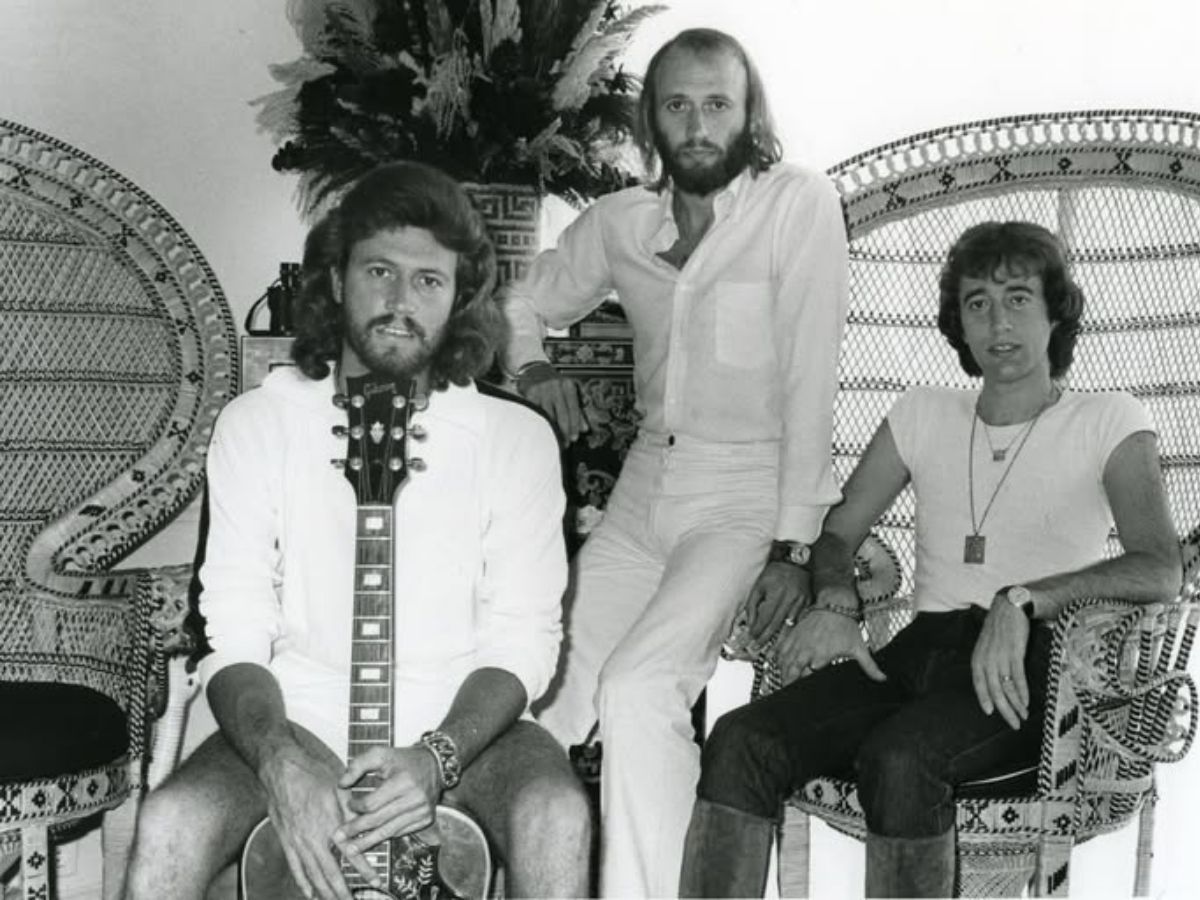
THREE INDIVIDUALS, BUT ALWAYS BONDED AS ONE
In the history of popular music, there are few groups whose connection feels as natural and powerful as that of The Bee Gees. At the heart of the band were three brothers—Barry Gibb, Robin Gibb, and Maurice Gibb—three individuals with unique personalities and voices, yet united by an extraordinary musical bond. Though each brother brought his own style and character to the group, together they created a sound that felt completely inseparable.
The strength of The Bee Gees was never simply about three singers performing together. It was about a lifelong connection built on family, creativity, and a shared passion for music. Growing up together, the Gibb brothers developed their musical instincts side by side. They learned to harmonize naturally, anticipating each other’s voices and blending them in ways that felt almost effortless. That connection would later become one of the most recognizable vocal signatures in modern music.
Although their rise to global fame spanned several decades, the 1970s marked a particularly important chapter in their journey. During this period, the brothers released music that would go on to shape the sound of an entire generation. Their albums and singles from that era helped establish The Bee Gees as one of the most influential groups in the world.
Songs such as “Stayin’ Alive,” “Night Fever,” “How Deep Is Your Love,” and “You Should Be Dancing” became international sensations. These recordings introduced audiences to a vibrant new musical energy while still preserving the emotional depth that had always been central to the group’s songwriting. The combination of memorable melodies, heartfelt lyrics, and unmistakable harmonies made their music instantly recognizable.
A major milestone in the band’s history arrived with the release of music associated with the film “Saturday Night Fever.” The soundtrack became one of the most successful albums of its time, bringing the voices of Barry, Robin, and Maurice Gibb into homes, dance halls, and radio stations around the world. For many listeners, the songs from that period defined the spirit of the late 1970s.
Yet the story of The Bee Gees was never only about commercial success. The true strength of the group lay in the remarkable harmony between the brothers themselves. Barry Gibb’s expressive range and songwriting leadership, Robin Gibb’s distinctive vibrato, and Maurice Gibb’s musical versatility combined to create a balance that few groups have ever matched.
Fans often described their voices as blending together like a single instrument. When the three brothers sang side by side, the harmony carried a sense of unity that felt deeply personal. It was as though their shared childhood and lifelong connection had shaped not only their relationship but also the very sound of their music.
Throughout their careers, The Bee Gees continued to evolve, exploring new musical directions while maintaining the essence of their signature style. Their ability to adapt allowed them to remain relevant across changing decades of music. Even as new artists and genres emerged, the songs of the Gibb brothers continued to find new audiences.
For listeners who grew up during the band’s most celebrated years, the music of The Bee Gees often carries powerful memories. Their songs accompanied countless moments—celebrations, quiet reflections, and times when music helped bring people together. The harmonies created by the brothers became a familiar and comforting sound for millions of fans.
Today, the legacy of Barry Gibb, Robin Gibb, and Maurice Gibb remains one of the most enduring in popular music. Though time has passed and generations have changed, their recordings continue to inspire listeners around the world.
Looking back at their remarkable journey, one truth stands out clearly: they may have been three individuals, but their voices and their vision were always united as one. Through that unity, the Gibb brothers created music that will continue to live on for generations to come.